
Beyond Oil: What the Strait of Hormuz Really Means for Australia

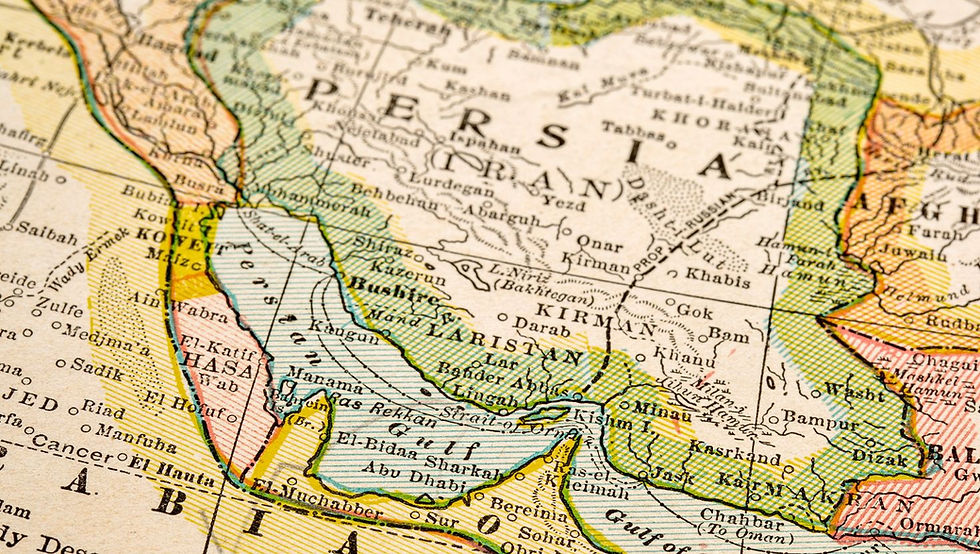
For many Australians, the Strait of Hormuz was once little more than a place name, mentioned only when tensions rose in the Middle East. It sounded distant, strategic, and largely disconnected from everyday life here at home. Unless you worked in defence, shipping, or financial markets, it was easy to assume it had little relevance to Australia. - That assumption has changed.
Recent events have reminded the world that this narrow waterway remains one of the most important trade passages on earth. Much of the discussion has focused on oil, and understandably so. When the Strait of Hormuz is disrupted, crude prices react quickly, petrol prices follow, and inflation concerns return to headlines.
But for Australia, the significance of the Strait of Hormuz goes well beyond oil.
What matters is not only what passes through the waterway, but what those cargoes support.
For a country like Australia—resource-rich, trade-dependent, and highly integrated into global markets - the Strait of Hormuz is a reminder that distant events often have local consequences.
More Than an Oil Story - The Strait of Hormuz
I will take a bet that the majority of investors will connect the Strait of Hormuz with oil and the first thing people think about that will be an issue is oil. Fuel for their cars and fuel for thier machinery. It is not untrue but there is a series of products that will be affected
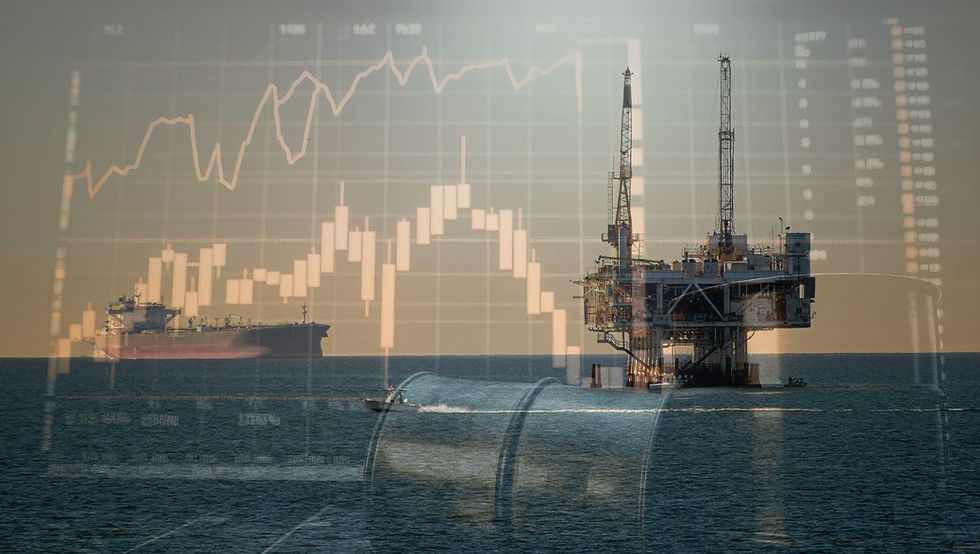
It is beyond doubt that the Strait of Hormuz connects the Persian Gulf to global shipping lanes and is critical to the movement of energy exports. However, the Gulf region is also a major supplier of industrial products that receive far less attention.
Lets look at some examples.
Ammonia
The Persian Gulf region is one of the most important ammonia-producing hubs in the world. Countries including Saudi Arabia, Qatar, Iran, the UAE, Bahrain, and Oman have built major ammonia and nitrogen fertiliser industries using abundant and low-cost natural gas.
The main reason why the Gulf region is a major source of ammonia is because ammonia is made primarily from natural gas through the Haber-Bosch process, hence regions with cheap gas often become globally competitive exporters.
Recent market data suggests the Middle East remains one of the largest contributors to global ammonia trade, with the Strait of Hormuz serving as a key shipping route for exports. Industry estimates indicate around 23% of global ammonia trade is linked to exporters reliant on the Strait.
Hence the current hostilities and disruption is moving ammonia markets quickly.
Why This Matters for Investors
Many ASX investors focus only on the commodity sold by a company. Gold miners sell gold. Lithium miners sell lithium. Grain businesses sell grain. But sophisticated investors also study the inputs. Because margins are built on both sides of the equation:
Revenue minus cost.
When ammonia rises:
Farmers may pay more for fertiliser
Mining companies may pay more for blasting inputs
Logistics businesses may face higher diesel exhaust fluid costs through urea chains
Food processors may face upstream cost inflation
This can change earnings quality even when commodity prices stay strong.
Sulphur
The Persian Gulf region is one of the most important sulphur-producing and exporting hubs in the world. Much of this sulphur is recovered as a by-product from oil and gas refining, meaning the Gulf’s large hydrocarbon industry naturally feeds global sulphur markets.
Recent IMF commentary stated that GCC countries account for more than 40% of global sulphur exports.
Other market estimates suggest that around half of global seaborne sulphur trade normally moves through the Strait of Hormuz and surrounding Gulf export systems.
Hence, again, the disruption now in the Gulf is not a good thing as Australia's two main industries, Mining and Agriculture depend on a steady and economical supply of sulphur.
Sulphur is primarily used to make sulphuric acid, one of the world’s most important industrial chemicals and is essential in:
Copper processing
Nickel refining
Uranium production
Rare earth extraction
Phosphate fertiliser production
Water treatment
Chemical manufacturing
For the agriculture industry, sulphur plays a significant role in fertiliser systems. It is used to produce phosphoric acid and phosphate fertilisers, as well as sulphate-based nutrients used across farming.
Ammonia and Sulphur are two stand out commodity that is an obvious issue for Australia but there are others such as:
Urea
Refined fuels
Petrochemicals
Industrial gases
Feedstocks used in fertiliser and manufacturing
These are not headline commodities and most people never see them, and few investors discuss them. Yet they help power industries that Australians rely on every day.
We notice oil because petrol prices are visible. We often overlook the materials that sit behind mining, farming, freight, and manufacturing.
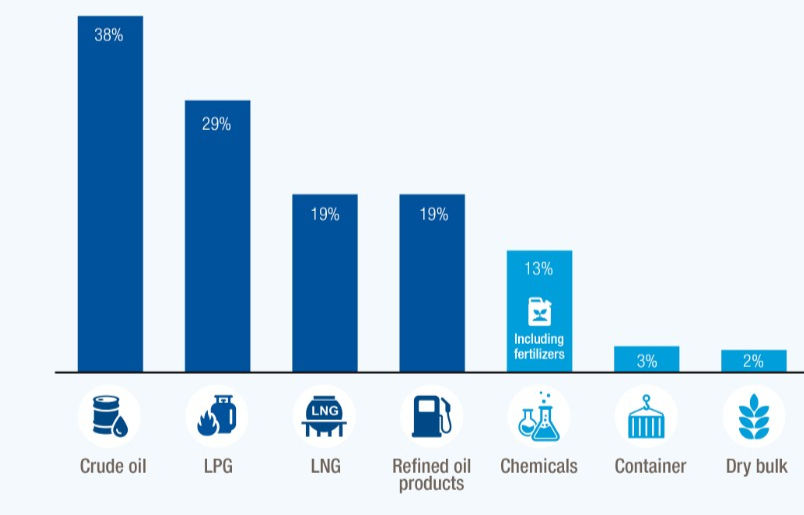
Why Should Investors Be Paying Attention to Strait of Hormuz In Australia
Australian investors in the ASX often view their positions through a single lens and that is the commodity price. Iron ore rises, gold falls, lithium rebounds, copper softens.
As my investment portfolio matures and my level of "wisdom" grows with age, I am now observing things such as profitability and market opportunities or lack of and this is sometimes more important than what is sold. As we all know, a good business is also dependent on what must be bought. Modern mining operations require a steady flow of inputs:
Diesel for haul trucks and generators
Explosives for blasting
Tyres and spare parts
Processing chemicals
Reagents and acids
Freight services
Skilled contractors
I am not trying to teach anyone what they already know but I feel that these are the time when investing solely on speculations typically become unstuck when fundamentals are ignored when you enter the transaction. I feel at times like now, when the actions of others, such as the hostilities in the Gulf, are biting into our investments harder than we realise.
This means a mineral resource company can enjoy strong commodity pricing while still facing margin pressure when operating costs rise, and this is not a good situation for retail investors.
That is particularly relevant when global supply routes become uncertain and the duration of the uncertainty creates a downward spiral of uneasiness in the ASX.
What is hurting Small-Cap Mineral Explorers.
The diesel issue is a no brainer for people in the mineral resource industry. The price increase is one thing but the uncertainty of supply is another story. Mineral exploration companies are living on a thin line of budgets and two months into these so called "short interventions" are really giving lots of companies headaches.
As we have already mentioned, the shock to the explosive sector is not a riddle. It is a simple 1 + 1 issue. Mining cannot move rock efficiently without blasting. Many blasting products rely on ammonium nitrate, which is linked to ammonia markets. When ammonia pricing rises globally, mining input costs can rise with it.
The Agricultural Link Most Australians Miss
For the land use industry like agriculture, the farmers who are feeding us are just as badly affected. Distribution of their produce to supermarket shelves are all exposed to the rising cost of the was in the Middle-East. The list is as follows:
Urea-based fertilisers
Ammonia products
Phosphate nutrients
Sulphur-based fertilisers
Fuel for machinery and transport
When these markets tighten internationally, the result is often higher farm costs rather than immediate shortages.
Freight Matters in an Island Economy
Australia’s geography gives us access to export markets, but it also makes us dependent on shipping efficiency. We export minerals, grain, LNG, and agricultural goods by sea. We import machinery, electronics, chemicals, vehicles, and manufactured products the same way.
When key global shipping routes become uncertain, the impact can spread well beyond the affected region.
That may show up through:
Higher marine insurance costs
Fuel surcharges
Longer shipping times
Vessel rescheduling
Increased freight rates
Even if Australian cargo does not pass directly through the Strait of Hormuz, shipping markets are global. Tightness in one region can influence costs everywhere.
For businesses with thin margins, this matters quickly.
For consumers, it often appears later through prices.
Why This Can Also Benefit Australia
Not every consequence is negative. Periods of global uncertainty often increase the value of stable, reliable producers. Governments and businesses begin reassessing supply security, trusted partners, and long-term sourcing - this can favour Australia.
Australia offers:
Political stability
Strong legal systems
Deep mining expertise
Reliable export infrastructure
Large reserves of critical minerals
Proximity to Asian markets
This becomes particularly relevant for:
Lithium
Rare earths
Copper
Uranium
Nickel
Agricultural exports
When the world becomes less certain, dependable suppliers often become more valuable.
Australia has benefited from this many times before.
What Serious Investors Should Watch
Rather than focusing only on the daily oil price, investors should pay closer attention to the second-order effects that flow through the broader economy. These signals can provide a far clearer picture of how events such as disruptions in the Strait of Hormuz are truly affecting Australia.
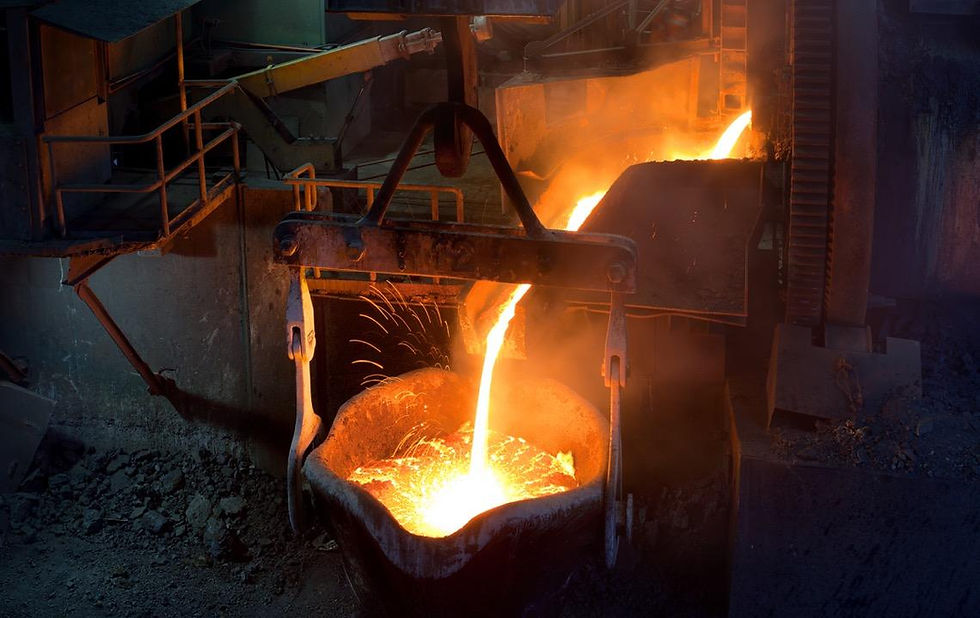
Within the mining sector, investors should watch for rising diesel costs, as fuel remains a major operating expense for many producers. Higher reagent prices can also place pressure on processing margins, particularly for companies involved in copper, nickel, uranium, and rare earths.
Changes to margin guidance in quarterly reports are often an early sign that cost pressures are building. Contractor cost inflation is another indicator worth monitoring, especially for developers and expanding producers. At the same time, periods of market stress often highlight the stronger companies, with quality producers tending to outperform weaker operators.
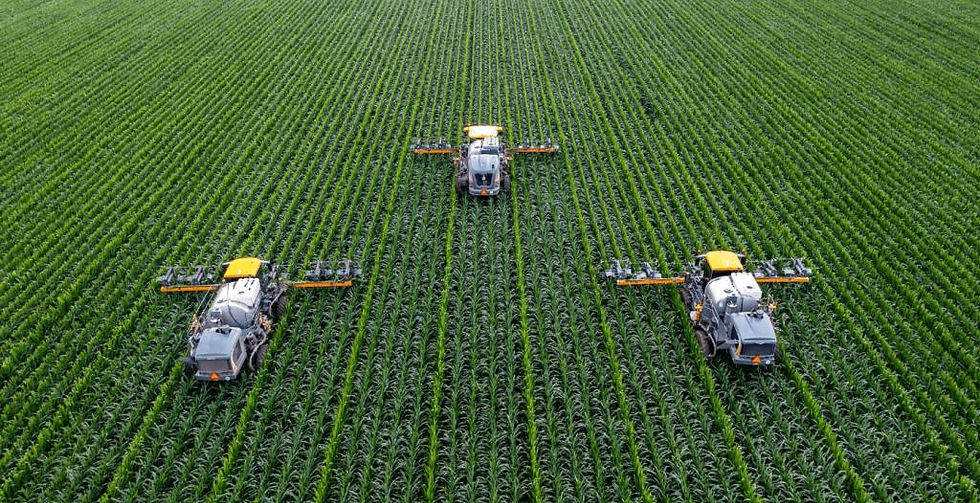
In agriculture, fertiliser pricing is one of the most important indicators to follow, given its direct impact on farm economics. Seasonal farm margins can reveal how well producers are managing higher input costs, while affordability of fertiliser and fuel often influences planting decisions and output expectations. Over time, these pressures can feed into broader food inflation trends, making agriculture an important lens through which to assess the wider economic impact.
Across financial markets, gold strength is often a useful signal during uncertain periods, as investors seek defensive exposure. Inflation expectations are equally important, as they can shape interest rate policy and broader asset valuations. Freight indexes can reveal whether global logistics costs are tightening, while the relative performance of defensive sectors often indicates whether investors are moving away from riskier areas of the market.
Taken together, these signals frequently tell a more accurate story than headlines alone. While news events may capture attention, it is the movement in costs, margins, and capital flows that usually reveals where the real impact is being felt.
Samso Final Thoughts
Most Australians now know the Strait of Hormuz matters. What many still underestimate is how broadly it matters. It is not simply knowing that its not about oil tankers moving through a narrow channel. I feel that investors need to know that the damage is done and that the worst may be over but the downstream effect of the worst is probably going to hang around for a while before it becomes the bad hanging around.
Who knows how much damage has been done to the industrial inputs that support mining, farming, freight, and inflation. Unfortunately, we now know that a distant event can influence business costs, household budgets, and investment returns in Australia.
The bad news is obvious but the good news is now to look for the business that will recover the best and the business that takes advantage of the past events. There is always a light at the end of the tunnel and as they say, where there is a Ying, there is a Yang.
The modern economy is built on connections that are often invisible until they are tested.
For Australia, the Strait of Hormuz is one reminder of that reality. Not a reason for fear.
A reason for understanding.
The Samso Way – Seek the Research
Here at Samso, we pride ourselves on delivering content for investors that is independent and informed by over three decades of experience in the industry. Our content is well-researched and is only created if I see merit in discussing the company's story.
Our mission is simple: cut through the noise and spotlight what matters—genuine stories, grounded insights, and real opportunity.
Our content is well-researched and is only created if the team sees merit in discussing the company or concept. Investors can explore our three core platforms:
There may be numerous paths to success in investing, but the common thread among successful individuals is that they remain committed to making informed decisions. Equip yourself with the right knowledge and tools, and you will be well on your way to achieving your financial goals.
Most importantly, investors need to be absolutely diligent in understanding their own risk-reward tolerance and capabilities. Never bite off more than you can chew. As they say, Rome wasn’t built in a day, and the Great Wall stood because it took centuries to complete.
The Samso Philosophy:
Stay curious. Stay sharp. And remember—digging deeper always uncovers the real value.
In Life, there is no such thing as a Free Lunch.
Never bite off more than you can chew is my parting comment.
Happy Investing, and the only four-letter word you need to know is DYOR.
To support our independent nature of our work, please head over to our Support Page and give us a helping hand in any of the ways listed. This is a new initiate for the Samso Platform, and it was always the concept of Samso when we started this journey in 2018.
Disclaimer
The information or opinions provided herein do not constitute investment advice, an offer, or solicitation to subscribe for, purchase, or sell the investment product(s) mentioned herein. It does not take into consideration, nor have any regard to your specific investment objectives, financial situation, risk profile, tax position and particular, or unique needs and constraints.
Share to Grow: Your Bonus
Samso has just released an eBook: How to Add Value to your Share Portfolio
A lesson on geological models sought by mining companies that gives insight and an understanding of which portfolios are better - and potentially more lucrative – investments. Click here to download this eBook.

If you find this article informative and useful, please help me share the information. I try to write about topics that are interesting and have the potential to be of investment value. It is not easy to find stories that fit those parameters. If you or your organisation sees the benefit of what Samso is trying to achieve and has a need to share your journey, please contact me at noel.ong@samso.com.au.
Samso is a trusted platform that equips dedicated investors with up-to-date industry knowledge and insigh0ts from top CEOs and thought leaders. By staying informed on business advancements and market trends, investors can enhance their financial decisions through a combination of expert guidance and their own research.
.
---


Comments